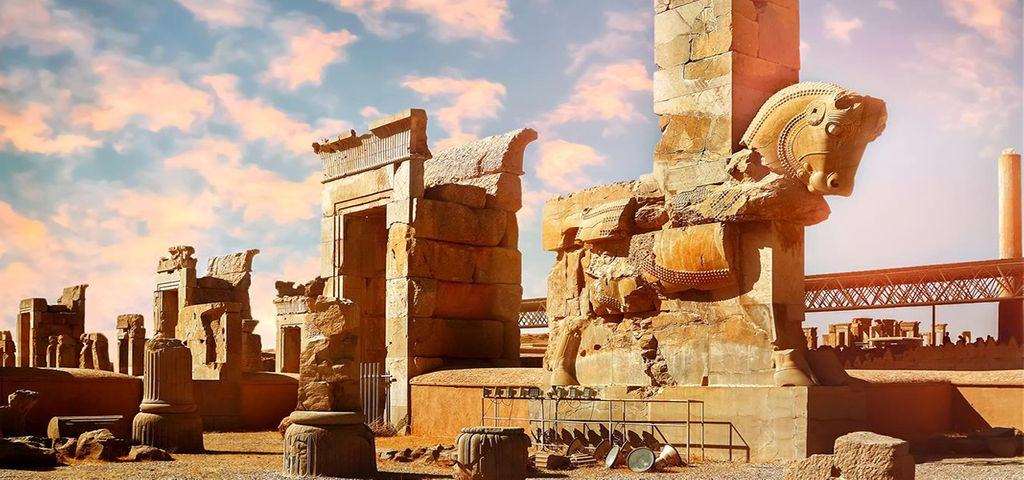
Pasargaurd
Journey through the cradle of the Achaemenid Empire, where the legacy of Persepolis and Cyrus the Great lives on.
Pasargaurd & Persepolis Legacy
Pasargad was the first dynastic capital of the Achaemenid Empire, founded by Cyrus the Great in the 6th century BC (c. 546 BC). As a UNESCO World Heritage Site, it stands as an exceptional testimony to the Achaemenid civilization and the first multicultural empire in Western Asia, spanning from the Eastern Mediterranean and Egypt to the Indus River.
Read Details
Designated as a UNESCO World Heritage Site in 2004, Pasargad represents the first phase of Royal Achaemenid architecture. The site covers 160 hectares and includes a range of monuments that demonstrate the empire's innovative approach to urban planning and artistic synthesis.
.jpg)
Imperial Foundations
The site's importance lies in its role as the cradle of the Persian Empire. It was here that Cyrus the Great, after defeating the Median King Astyages, established the foundations of an empire characterized by its respect for the cultural diversity of its subject peoples. The architecture of Pasargad reflects this, synthesizing traditions from Elam, Babylon, Assyria, and ancient Egypt into a unique Persian style.
Read Details
Cyrus the Great's vision for Pasargad was not just as a capital, but as a statement of his empire's values. The famous 'Cyrus Cylinder' echoes the spirit of this place—promoting religious freedom and human rights long before they were formalized in modern history.
.jpg)
The Tomb of Cyrus
The Tomb of Cyrus the Great is the most significant monument at Pasargad. Its simple yet powerful design consists of a high plinth with six steps leading to a modest gabled funerary chamber. Despite the passage of 2,500 years, it remains a symbol of the enduring legacy of the King of Kings, who founded the largest empire the world had seen at that time.
Read Details
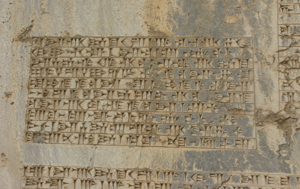
According to historical accounts, Alexander the Great ordered the restoration of the tomb after it was desecrated during his conquest. The inscription he found there—'O man, whoever you are and wherever you come from, for I know you will come, I am Cyrus who won the Persians their empire'—deeply moved the Macedonian conqueror.
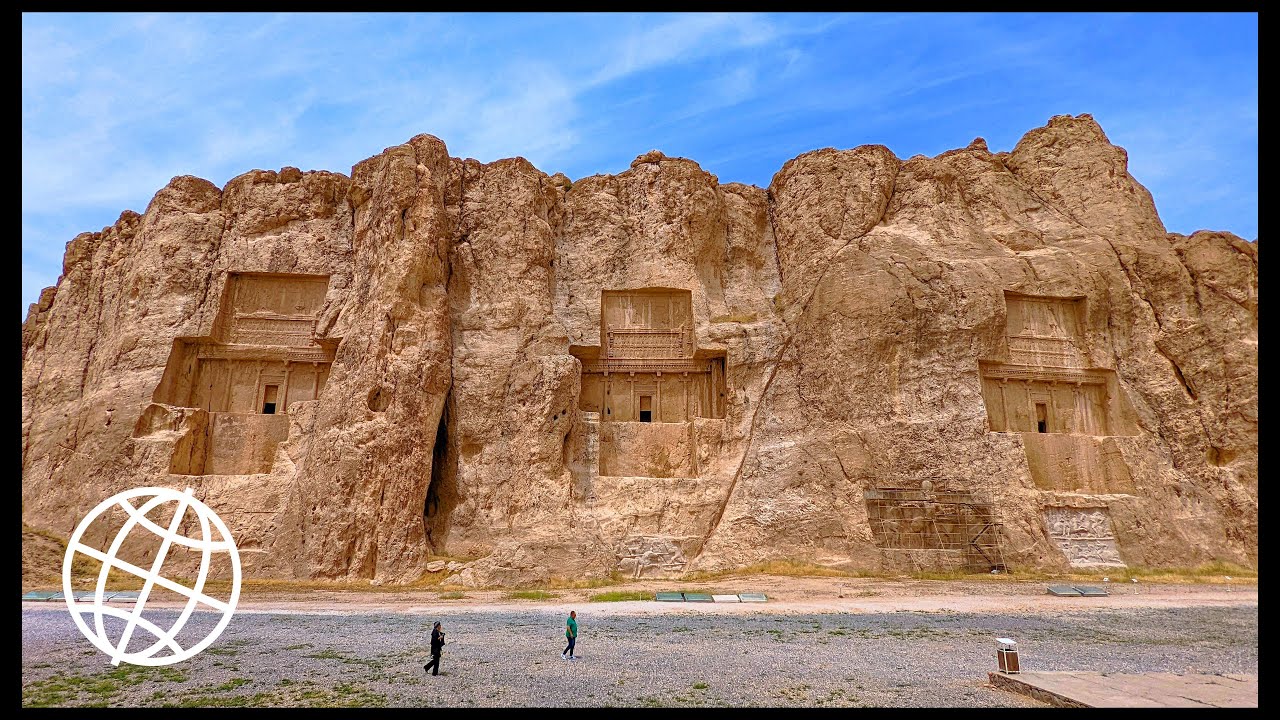
Fragments of History
A visual journey through the remains of the first multicultural empire's capital.
.jpg)
.jpg)
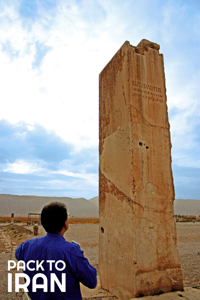
The Royal Gardens
Beyond the tomb, Pasargad features the fortress of Toll-e Takht and a royal ensemble of gatehouse, audience hall, and residential palace. These structures were set within the 'Pasargad Royal Garden', the earliest known example of the Persian Chahar Bagh (fourfold garden) design, which influenced garden design as far as India and Spain.
Read Details
The Chahar Bagh layout at Pasargad was revolutionary. It used stone-lined water channels to create a structured, irrigated landscape that symbolized the order and prosperity of the Achaemenid realm. This design became the prototype for Islamic and Mughal gardens for centuries to come.
Pasargaurd Gateway
Our advanced subscription gateway provides a seamless, secure, and private connection to the Pasargaurd ecosystem. By masking the underlying infrastructure, we ensure your heritage journey remains uninterrupted and protected.
Technical Overview
- ◈ Encrypted Tunnels: Multi-layered security protocols for maximum privacy.
- ◈ Smart Routing: Automatic selection of the fastest available node.
- ◈ Mirza Management: Intelligent Telegram bot for real-time subscription control.
- "Pasargad". UNESCO World Heritage Centre (whc.unesco.org).
- Stronach, David. "Pasargad: A Report on the Excavations conducted by the British Institute of Persian Studies from 1961 to 1963".
- Briant, Pierre. "From Cyrus to Alexander: A History of the Persian Empire".
- "Cyrus the Great". Encyclopædia Britannica.